The Ship Inn - Wincle
The Ship Inn - Wincle
Discover The Ship Inn in Wincle, a traditional hillside pub near Lud's Church offering excellent food, welcoming hospitality and access to Peak District walks.
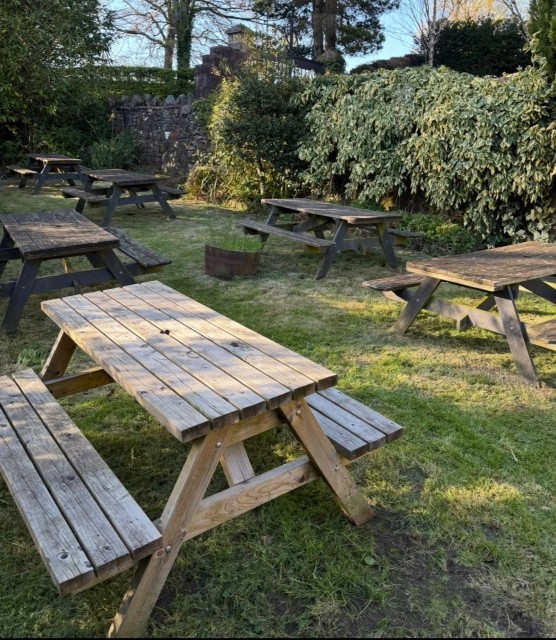
The road into Wincle descends steadily through the wooded folds and sandstone hills of the upper Dane Valley and wanders down to Danebridge, where fields, streams and fragments of ancient woodland combine to create a landscape that feels shaped as much by centuries of farming as by the underlying geology itself, and it is within this sheltered corner of the Peak District that The Ship Inn comes into view, sitting comfortably above the village as though it has always occupied this vantage point. In summer sunshine the stonework catches the light well, while the surrounding patchwork of pasture, dry-stone walls and wooded slopes creates the sense of a settlement still connected to older patterns of movement across the Staffordshire and Cheshire border country.
The Ship Inn occupies a position that makes immediate geographical sense. Wincle lies close to the routes linking the Staffordshire Moorlands with the uplands of Cheshire, and long before modern leisure walking became part of the local economy these roads and tracks carried farmers, tradesmen, drovers and travellers moving between scattered communities. Inns existed because journeys required food, shelter, stabling and company, and although vehicles now move along tarmac rather than rough tracks, the underlying purpose remains remarkably familiar. People still arrive tired, hungry and looking for somewhere welcoming to pause before continuing their day.
The history of The Ship Inn reflects that wider story of rural movement and continuity. Like many country inns in the Peak District fringe, it developed within a landscape where agriculture, local trade and transport created a steady demand for hospitality. Wincle itself has deep roots in farming, while the surrounding valleys and hills were shaped by centuries of labour that left their mark not through grand monuments but through field systems, walls, lanes and the practical organisation of the landscape. The pub remains part of that living pattern, occupying a place where the needs of travellers and the rhythms of local life continue to intersect.
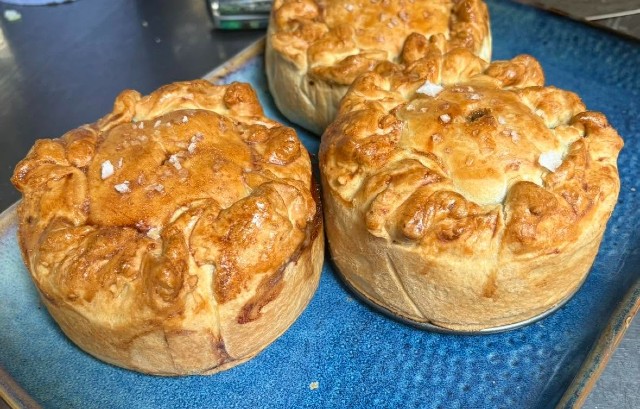
On a warm summer evening the inn felt busy without feeling crowded, helped greatly by the welcome offered by the staff and management. The dining rooms retain the atmosphere of a traditional country pub where locals, walkers and visitors share the same space comfortably, while dogs settle beneath tables and conversations drift easily between the bar and restaurant areas. The specials board offered plenty of temptation and the food more than justified the praise it regularly receives. Service throughout was warm, attentive and unforced, creating the feeling that hospitality here remains something genuine rather than merely transactional.
What had been intended as a straightforward evening visit gradually evolved into an overnight stop in the campervan parked outside. Parking requires a little thought, particularly because of the slope, but the reward was a surprisingly peaceful night beneath clear summer skies. The following morning revealed exactly why this corner of the Peak District continues to attract walkers. From The Ship Inn, numerous routes spread outward through farmland, woodland and valley landscapes, with one of the most celebrated leading towards the remarkable sandstone chasm known as Lud’s Church.
The walk itself passes through a landscape where ecology and human history remain closely intertwined. The steep-sided valleys support woodland and damp sheltered habitats, while higher ground carries pasture and fragments of heathland adapted to thinner soils and harsher conditions. Streams cut through the sandstone, creating cooler pockets where mosses, ferns and woodland plants thrive. What appears from a distance to be simple countryside gradually reveals itself as a complex landscape shaped by geology, weather, farming and centuries of adaptation to difficult terrain.
By the time we returned from Lud’s Church there was very little enthusiasm for leaving immediately, and the prospect of another meal at The Ship Inn proved impossible to resist. Sitting once more with good food and a view across the surrounding hills, it became clear why the pub has earned such affection among walkers, locals and travellers alike. Places such as this endure because they continue to fulfil their original purpose with quiet competence, providing shelter, food and welcome in a landscape that still encourages people to slow down and stay a little longer than intended. Standing outside before departure, looking across the folds of the Dane Valley below, it was difficult not to reflect on how little the essential function of the inn has changed. The roads are different, the vehicles have changed and the patterns of travel have evolved, yet people still arrive seeking exactly what travellers have always needed: somewhere comfortable to rest, eat well and feel welcome before setting out once again.
Contact
Barlow Hill,
Danebridge,
SK11 0QE
- 07902 302047
- theshipinnwinclefood.co.uk
Reasons To Visit
Perched above Wincle, The Ship Inn combines traditional hospitality with access to some of the finest walking country on the Staffordshire-Cheshire border. Good food, quiet surroundings and enduring landscape connections make it a rewarding stop.
On Tap
J W Lees MPA
J W Lees Founders Ale
On the Menu
Beef & Chorizo Lasagne
Jerk Chicken with Basmati Rice
Close By - Worth Your Time
Local Accommodation