Lathkill Dale
Lathkill Dale
Lathkill Dale remains one of the Derbyshire Dales’ calmest limestone valleys, where clear water, old mining traces and practical walking routes still shape the landscape.
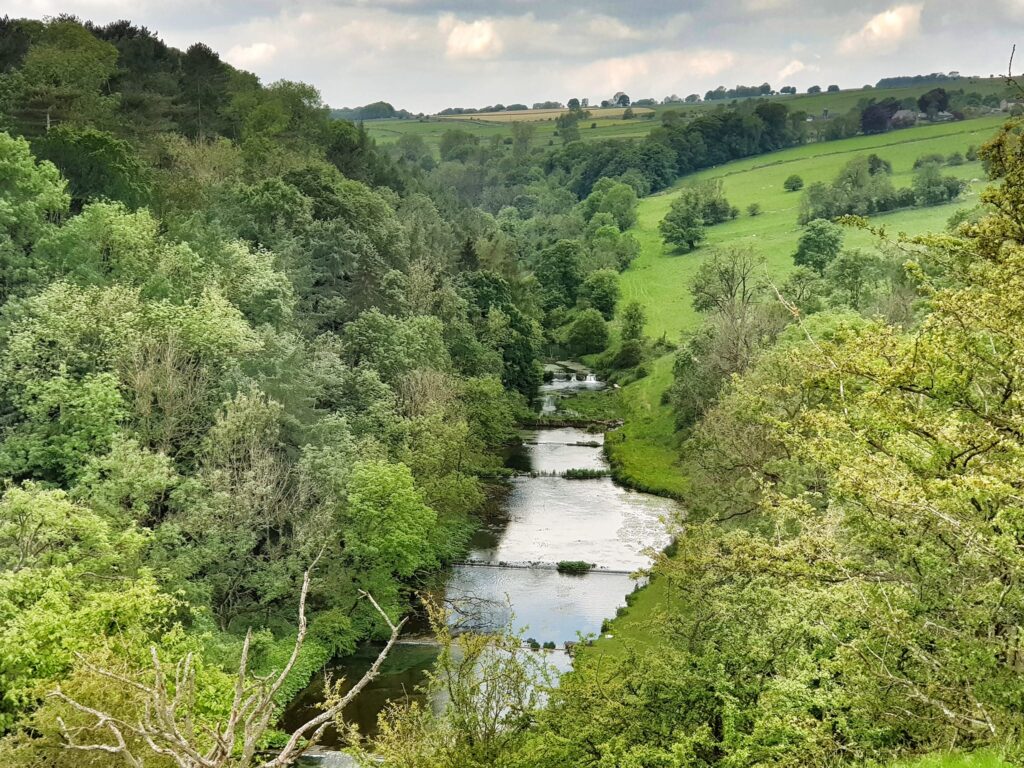
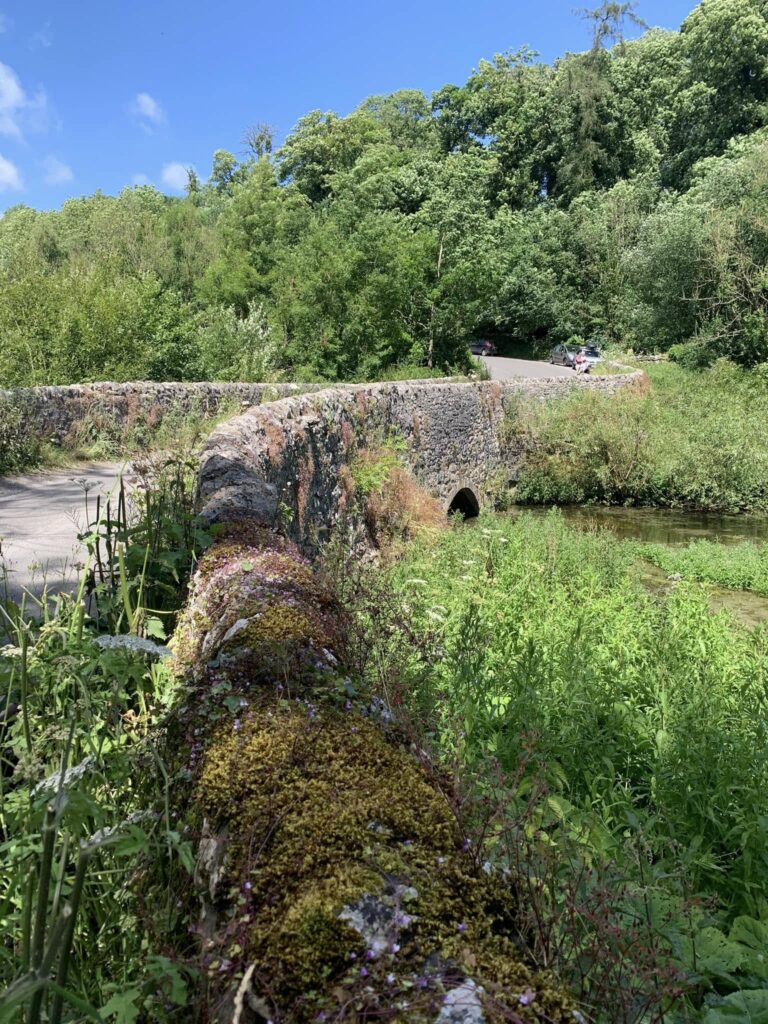
The limestone country around Lathkill Dale has always carried a curious sense of concealment, as though the valley prefers to reveal itself gradually rather than announce its presence, and arriving from Alport beneath fast-moving early summer clouds, with the dry walls still holding the memory of winter water and the ash trees leaning slightly in the valley wind, the descent towards Conksbury Bridge feels less like entering a beauty spot and more like stepping quietly into a functioning landscape shaped over centuries by water, grazing and human passage. The river itself, unusually clear even by Derbyshire standards, slips through the valley with a steadiness that explains much about the place, because the limestone beneath these hills filters and purifies the water so effectively that the Lathkill became known for some of the cleanest river water in the country, supporting not only trout but the entire ecology of the dale, from water crowfoot and mayfly to the dippers that work the shallows like small black-coated inspectors of current and stone.
Even the name carries the atmosphere of an older landscape whose meanings have softened with time, because “Lathkill” is thought to reach back into Norse and Anglo-Saxon language, the second element likely referring to a narrow watercourse or river channel, while the first may describe a quiet place, a storehouse, or perhaps an early settler now long vanished into the folds of Derbyshire history. Whatever its precise origin, the word feels shaped by use rather than formal definition, worn smooth over centuries by shepherds, miners, packhorse men and anglers moving along the valley floor beneath weather much like this.
From Conksbury Bridge the structure of the dale becomes properly legible, the slopes folding inward with the smoothness typical of old limestone country while the river moves below in pale ribbons broken occasionally by deeper green pools where brown trout hold almost motionless against the current, conserving energy in the ancient manner of river fish that understand flow better than anything built by man. Yet this tranquillity was never untouched, because Lathkill Dale carries the softened remains of lead mining within its hillsides, and here and there the earth still bears shallow wounds and spoil mounds left behind by generations who extracted wealth from these limestone seams long before recreational walking became fashionable.
There are older human memories layered into the valley too, quieter and more domestic than industry, and standing above the river it is difficult not to think back to the days spent catering for a shooting lodge below Over Haddon, when large raised pies were prepared in quantity and whole Stilton cheeses together with bottles of good port were carried down into the dale ahead of winter shooting parties. The limestone valleys once supported an entire seasonal rhythm of estate management, field sport and practical hospitality, where isolated lodges depended upon substantial food, strong drink and careful preparation against cold weather and difficult access. Even now it is possible to imagine lamps glowing against the stone after dusk while wet coats steamed beside the range, dogs slept heavily beneath wooden tables and conversation drifted slowly through the rooms after long days on the hillsides above the river.
The walk north from Alport through Lathkill Dale before cutting left towards Bradford Dale reveals how interconnected these valleys remain, because the routes were never designed purely for leisure but followed older practical lines used by farmers, miners and packhorse traffic moving between isolated settlements. Even now there is a useful logic to the paths, the gradients gentle where they need to be, the bridges placed with economy rather than drama, and the surrounding pastureland still functioning much as it always has, sheep working the slopes while swallows sweep low across the meadows feeding on insects lifted by the warmth of the limestone.
What settles longest in the mind, however, is not any single feature but the composure of the valley itself, particularly on a day of broken cloud when sunlight moves slowly across the limestone and the river reflects brief flashes of silver beneath the bridge arches. There is remarkably little noise beyond water and birdsong, and perhaps because parking remains awkward and limited, the dale avoids the crowded atmosphere that overtakes more celebrated corners of the Peak District during summer. One leaves with the feeling that the valley has continued much as before, carrying clear water through old stone country while generations arrive briefly, look carefully, and disappear again into the higher fields above.
Contact
Over Haddon
DE45 1JT
Reasons To Visit
Walk Lathkill Dale from Alport through clear limestone river valleys, old mining landscapes and quiet Derbyshire Dales countryside paths.
Close By - Worth Your Time
Bradford Dale
Best Local Cafe
The Old Smithy Tearooms - Monyash
Best Local Pub
Local Accommodation