The River Dove
The Dove Valley - Axe Edge to the River Trent
A river shaped by geology, mills, transport and county boundaries, where industrial traces and ecological recovery still quietly define the Dove Valley.
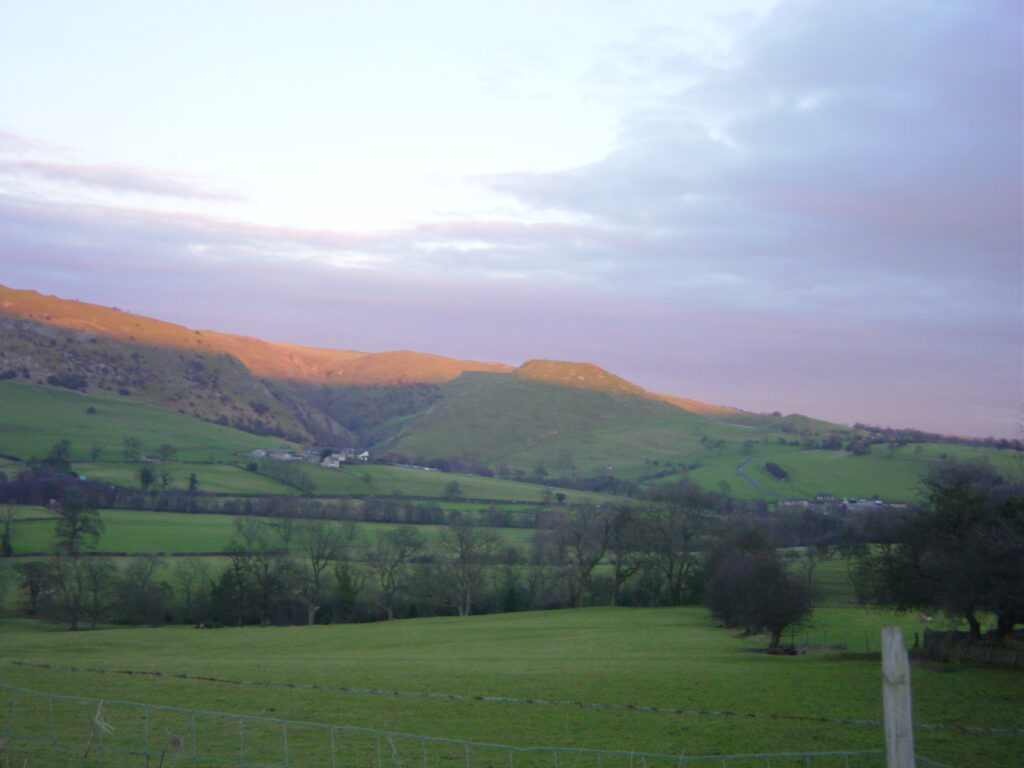
The character of River Dove alters so gradually across its course that it becomes possible, somewhere below the limestone country and above the wider agricultural lowlands near River Trent, to forget that the same river which moves quietly beneath willow and alder near places like Burton upon Trent began as a narrow upland flow rising amongst peat, gritstone and exposed weather on the high ground near Dove Head, where the county boundaries of Derbyshire and Staffordshire meet in a landscape that still carries the old logic of watershed country, grazing land and isolated transport routes across the southern Pennines. Even in early summer, when the scudding clouds travel quickly across the moors and the river margins carry fresh growth and returning birdlife, the upper Dove retains something lean and weather-worked about it, as though the river still remembers the centuries in which these uplands depended less upon beauty than upon survival, movement and careful use of water.
From its source the river gathers identity through geology as much as rainfall, descending from darker upland ground into the white limestone valleys which shaped much of its historical importance, because the Dove became not simply a natural boundary between counties but a practical corridor through difficult terrain, powering mills, marking ownership, feeding settlements and later drawing walkers, anglers and travellers towards places that had originally developed for entirely functional reasons. Around Milldale and further south through the limestone valleys, the river cuts through rock that stores and releases water differently from the higher gritstone country behind it, producing those clear, mineral-rich flows which once made the valley valuable for milling and small industry, while also allowing trout and, more recently again, salmon to return to stretches where pollution and industrial pressure had long reduced ecological diversity. The old stone retaining walls, surviving weirs and fragments of mill races near places such as Mayfield and Norbury remain visible not as museum pieces but as working traces embedded within the modern landscape, half absorbed into vegetation and often passed without notice by visitors more focused on the immediate beauty of the valley itself.
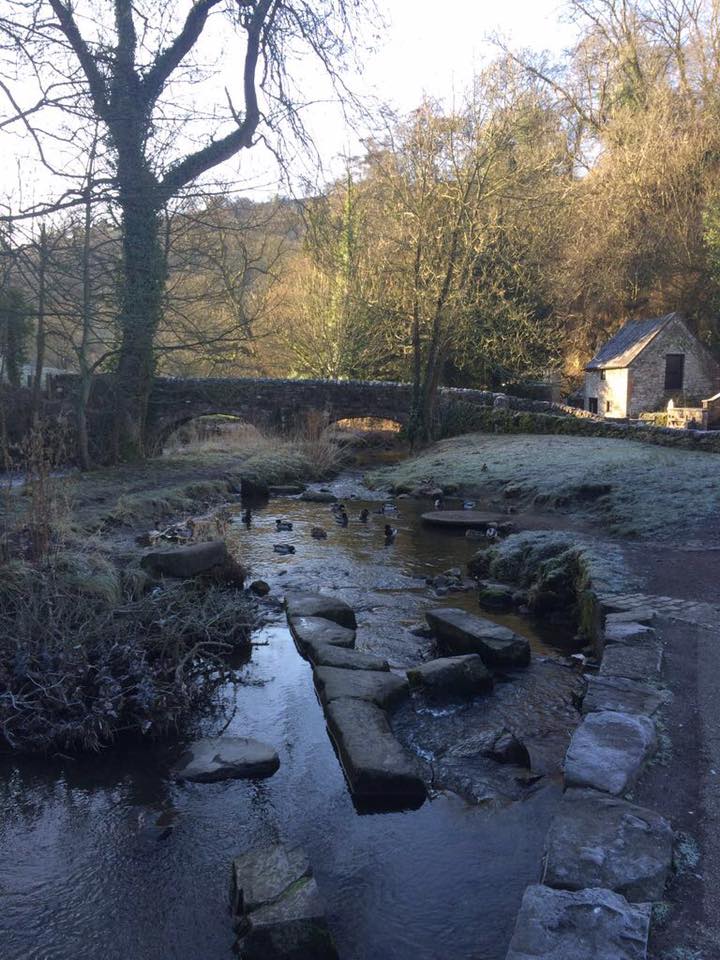
What becomes increasingly striking further downstream is the way human continuity persists beside these older industrial systems without ceremony, because the Dove Valley still supports pubs, farms, footpaths, fisheries and practical rural movement in much the same way it always has, even though the reasons for travelling through the valley have changed considerably since the days when packhorse routes, milling traffic and local agricultural exchange depended upon the river crossings and sheltered settlements along its course. Walkers now follow long riverside stretches once used by labourers, carriers and quarry workers, while cafés and village pubs occupy buildings originally constructed to serve far harder local economies, their thick walls and uneven yards shaped by transport needs rather than aesthetic design. In quieter sections away from the famous stepping stones and better-known beauty spots, the river resumes a more private character, moving through pasture, woodland and neglected corners where old embankments soften beneath moss and wildflowers reclaim former industrial ground with remarkable patience.
As the Dove approaches the broader lowland country near its meeting with the Trent, the valley loses some of the dramatic confinement of the limestone gorge country and begins instead to meander through softer agricultural terrain, although the river’s industrial legacy remains quietly present in brewing, milling and transport history across the wider region, particularly around Burton where water quality shaped entire industries and where river systems once dictated patterns of settlement, trade and engineering investment. The changing pace of the river mirrors this transition from upland force to lowland movement, and there is something deeply English in the way the Dove carries together so many overlapping histories without insisting upon them, because beneath the apparent calm of grazing fields and riverside trees lie older systems of labour, extraction, transport and adaptation that continue to shape the atmosphere of the valley even now.
By the time the Dove finally joins the Trent, after its long descent from exposed upland source to broad lowland river country, it has become not simply a scenic river but a kind of moving archive through which geology, weather, labour and memory remain visible to anyone prepared to slow their pace slightly and look beyond the surface beauty of the water itself.
Contact
Reasons To Visit
Explore the River Dove from its upland source to the River Trent, through mill valleys, limestone landscapes and quieter rural stretches.
Highlights
Pilsbury Castle
Beresford/Wolfscote Dale
Milldale
Norbury Mill Wier
Best Local Cafe
Best Local Pub
Local Accommodation
Moorside Farm Bunkhouse